Which pre-hiring check did you skip, or expect to skip?
No votes yet. Yours will be the first. · saved on this device
Loading...
Addition Scope · Reviews
This page explains how to evaluate reviews and references for room addition, second-story and ADU contractors. Addition Scope publishes no ratings or testimonials; it shows what a credible review contains, which claims to verify, and how to check licensing, insurance, the engineer's registration and past permits yourself before choosing among written estimates from matched professionals.
An addition is judged over years and across seasons. The roof junction that looked clean in August is tested by the first ice dam; the foundation that seemed fine is tested by the second spring of settlement; the second-story HVAC is tested by July. Final-walkthrough reviews cover cleanliness and communication; the ones that matter are written two winters later. Platforms are crowded with small jobs, too: Houzz's 2025 study found only 10% of renovating homeowners built an addition, and NAHB ranks bathroom remodels most common, so filter for additions.
This site does not rate contractors and does not collect testimonials. What it can do is show you how to read the reviews that exist on public platforms, what to ask references, and how to check the public record. Combine that with the proposal checklists on the service pages and you have a fair way to choose among the estimates that come back from the estimate request.
It names the scope: square footage, the route, whether a bathroom or kitchen tie-in was included, whether an engineer was involved. It describes a problem and how it was handled, because every addition has one: a footing hit rock, the existing header was undersized, the plan reviewer wanted a correction, a storm arrived with the roof off. It mentions time against the estimate and whether the crew showed up on the days promised. And it says something about the addition after a season: the room stayed warm, the junction stayed dry.
Homeowner polls
No votes yet. Yours will be the first. · saved on this device
No votes yet. Yours will be the first. · saved on this device
 Service guideRoom Additions
A room addition builds new ground-floor space on its own foundation, tied into the existing walls and roof, to add a bedroom, family room, kitchen extension, bathroom or primary suite.
 Service guideSecond Story Additions
A second-story addition builds a new floor on top of an existing house, either over the whole footprint or over part of it, after an engineer confirms the foundation and walls can carry the load.
 Service guideADU & Garage Conversions
An accessory dwelling unit is a second, self-contained living space on a single-family lot, built by converting a garage or basement, adding onto the house, or constructing a detached unit.
Tell us the size, the condition of what is there now, and what you want to change. Addition Scope passes your request to independent local professionals, who reply with written, no-obligation estimates. The service is free to use.
Be skeptical of reviews that read like a brochure, praise without a single specific, or cluster in one week. Look for reviews that mention the inspector, the permit, the engineer or the change-order process by name; those come from homeowners who paid attention. Zonda's 2025 data show a midrange suite recovering 32.3% and a bathroom addition 53.3%, so a review that says the family room is the room the household lives in is worth more than one that says the tile is beautiful.
Licensing and insurance are public: check the state or local contractor board for the license number on the proposal, and ask the insurer to send you a certificate naming you. For structural work, confirm the engineer's registration with the state board. Permits are public; many jurisdictions let you search past permits by contractor, which shows whether they pull them and whether inspections passed. Design-build claims can be checked by asking who stamps the drawings. Badges and awards mean little; a permit history means a lot.
For references, ask for two additions at least three years old, not the last two completed. Call and ask: has the junction stayed dry, has anything settled or cracked, is the new space comfortable in the worst month, did the final price match the contract and what were the change orders, and would you hire them for the next phase. Ask which savings held up, since Zonda finds even a midrange primary suite addition recoups only 32.3% of its cost at resale. A young firm may lack three-year references; weigh that against its concealed-conditions terms.
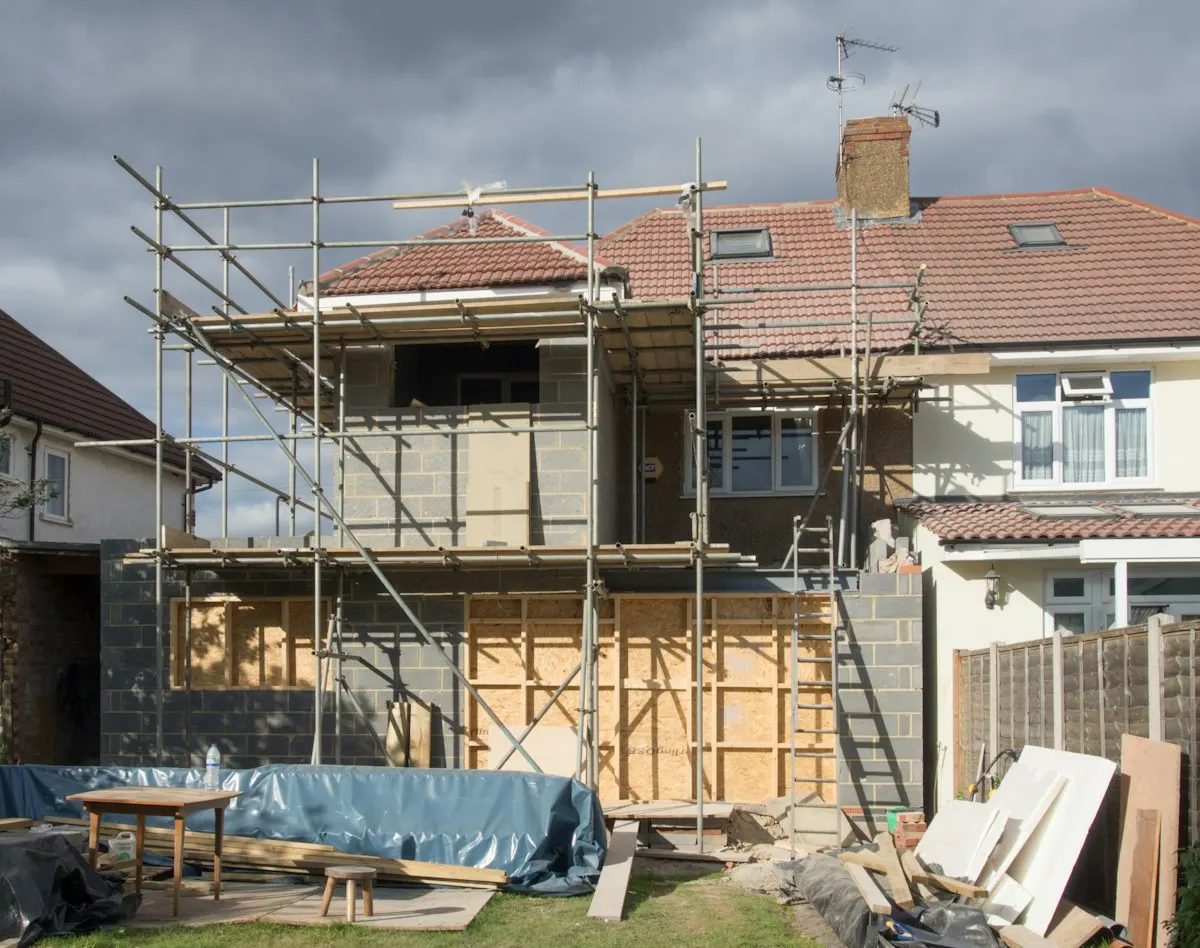
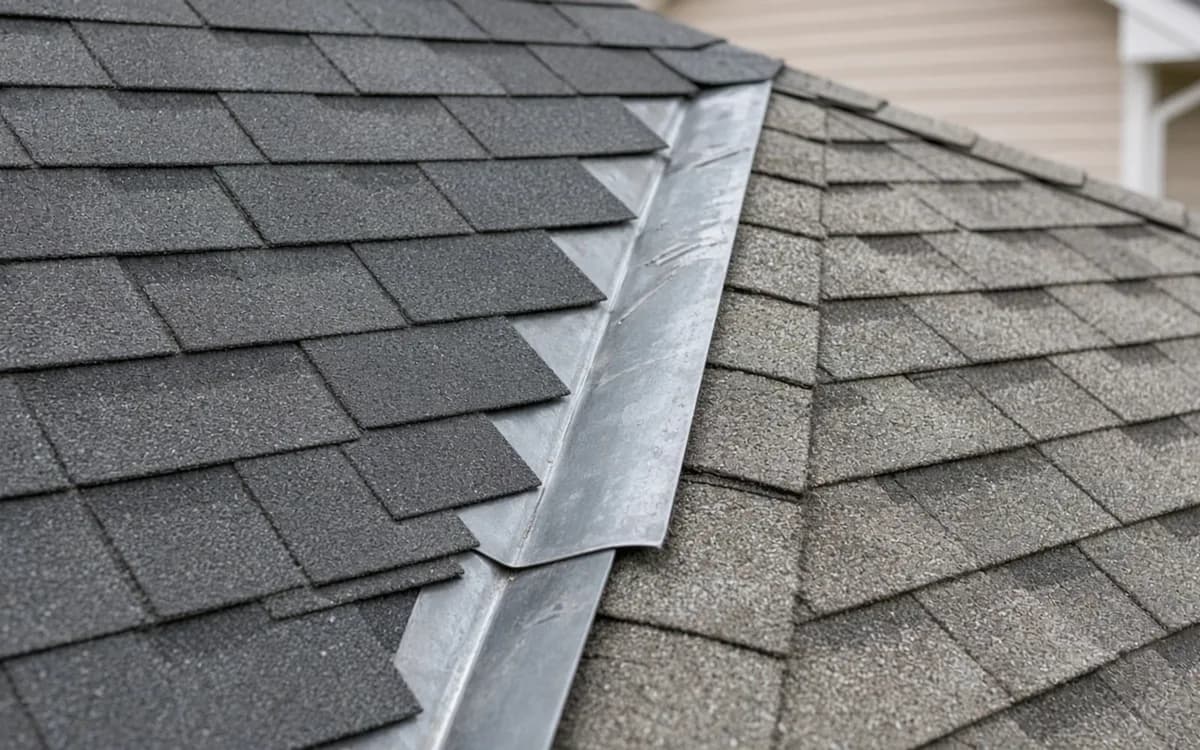
Room addition reviews should mention the junction, the existing rooms after the work, and whether the new space is comfortable; complaints cluster around leaks at the roof tie-in, cold rooms and kitchens that ended up darker. Second-story reviews should mention weather protection during the roof-off phase, schedule against the promised move-out dates, and upstairs comfort; HomeAdvisor's $100–$300 / sq ft is the stake, and a review describing a tarp failing in a storm is the one to weigh.
ADU reviews should mention the permit process, utility connections and fees, whether the unit was occupied as intended, and whether the separation from the main house worked for the relative or tenant. For all three, look for reviews that mention the design phase: whether the drawings changed after pricing, whether the engineer's findings were explained, and whether the contractor raised feasibility problems early rather than mid-build. NAR's Joy Score of 10 / 10 for a primary suite tells you satisfied owners exist; reviews tell you which firms produce them.
The proposal is the primary evidence; reviews are context. A detailed proposal from a firm with modest reviews beats a vague proposal from a firm with glowing ones, because the proposal is what you will enforce. Use reviews to check for patterns a proposal cannot show: schedule slippage, cleanup, how weather and change orders were handled. Delays run both ways, since permit plan review alone typically takes 2–8 weeks per CADTRI, so note who caused them. Then use the calculator to see whether the price fits the scope, and the comparisons to check whether the route proposed fits your lot and structure.
Write down, at the site visit, which feasibility problems the professional raised without being asked: the setback, the footing, the panel, the roof water. Compare that list to what past reviewers said the same firm caught or missed. A contractor whose reviews mention the inspector by name and whose site visit surfaces the same issues the reviews praise is telling a consistent story. Matched professionals are independent businesses; the checking is yours, and it takes an evening. The polls show which checks other homeowners skipped and regretted.
Because the site does not inspect the work, and a rating without inspection is marketing. Matched professionals are independent businesses; the site connects you, they estimate, you decide. Publishing stars would imply an endorsement the site cannot give. What it offers instead is a method: how to read public reviews, what to verify, and how to compare proposals on scope so the decision rests on evidence you gathered.
Quality over count. Five detailed reviews spread over several years, mentioning route, problems and outcomes, tell you more than fifty one-liners posted in the same month. Read the negative ones and the contractor's replies; a calm, specific reply is a good sign. Pair reviews with two older references you call yourself and a permit-history search where the jurisdiction allows it.
A price with no drawings. No mention of the survey or setbacks. A second story with no engineer named. The existing house shown as an unchanged outline with the new room attached. Design, permits and engineering missing or lumped into an allowance. A large deposit before a written scope. No concealed-conditions clause, or one with no unit prices. A per-square-foot price given on the lawn before the foundation was looked at. Several together are a reason to move on.
Ask for the license number and look it up on the state or local board's site, checking that it is active, matches the business name and covers the trade. Ask the contractor to have the insurance carrier send you a certificate naming you as certificate holder; confirm general liability and workers' compensation. For the engineer, ask for the name and registration number and check it with the state engineering board. All three take an hour.
Useful with care. Check that reviews span years, mention specifics, and that the contractor responds to complaints. Cross-check two platforms. Some platforms filter reviews and some firms operate under several names. Additions are large enough that references you call and the public permit record are worth the extra evening; the platforms are the starting point, not the verdict.
If the homeowner agrees, yes, and pick one at least two years old. Look at the roof junction from outside and from the attic if possible, the floor transition between old and new, the exterior seam, and any cracks at door heads near the connection. Ask the owner how the space handled the worst month and whether anything came back for repair. Ten minutes in a three-year-old addition beats any portfolio photo.
How long the roof was off and whether the weather protection held; whether the move-out dates matched the contract; whether the engineer's findings changed the price mid-project; whether the upstairs is comfortable in summer; whether the stair landed where the drawings showed; and whether cracks appeared at door heads or the junction in the first two years. Those six questions cover the ways second-story projects most often disappoint.